

Trauma can profoundly reshape lives. When individuals experience overwhelming events such as accidents, violence, disasters, or prolonged adversity, our minds and bodies respond with intense protective mechanisms. For some of us, these reactions naturally go away within days or weeks. But when distress lasts longer than a month, disrupting work, relationships, and daily functioning, it may signal the onset of Post-Traumatic Stress Disorder (PTSD) or Complex PTSD (CPTSD) (1,2).
Understanding these conditions is particularly important in rural areas such as Montana, Idaho, and Alaska, where unique trauma exposures combine with significant barriers to care (5).
Core Characteristics of PTSD and CPTSD
PTSD develops after a person experiences a single, highly distressing or life-threatening event such as a serious accident, natural disaster, or violent assault. Symptoms usually emerge within months of the trauma and include (1):
- Re-Experiencing: Vivid nightmares, involuntary flashbacks, or intense physical reactions can be reminders of the trauma
- Avoidance: Withdrawing from people, places, or conversations linked to the traumatic event
- Negative Cognitions and Mood: Persistent shame, emotional numbness, or distorted self-blame
- Hyperarousal: Chronic hypervigilance, insomnia, and exaggerated startle responses
In contrast, Complex PTSD (CPTSD) arises from prolonged or repeated trauma over months or years. CPTSD can result from experiences including childhood abuse, domestic violence, military combat, long-term captivity, or many other events. While CPTSD shares all the core symptoms of PTSD, it also often introduces three additional challenges (2):
- Severe Emotional Dysregulation: Uncontrollable anger, emotional numbness, or extreme mood swings
- Negative Self-Perception: Deep-seated shame or persistent feelings of being broken or worthless
- Chronic Relational Difficulties: Profound distrust and trouble maintaining healthy relationships, often affecting both personal and professional life
Living with PTSD or CPTSD can be exhausting and isolating, but recovery is possible. In rural and remote areas, finding the right support often means navigating both unique challenges and modern recovery opportunities.
The Rural Reality of PTSD: Montana, Idaho, Alaska
Individuals living in remote states such as Montana, Idaho, and Alaska face numerous challenges in accessing appropriate PTSD care, including (5):
- Limited Availability of Providers: Many rural areas lack mental health professionals, particularly those trained in specialized trauma-focused therapies. This shortage can result in long wait times, limited treatment options, or no access to specialized trauma care at all within a reasonable radius.
- Transportation Difficulties: With clinics and hospitals often hours away and limited availability of public transportation, attending regular therapy sessions and psychiatry appointments can be difficult.
- Affordability Concerns: Uninsured or underinsured residents may face high out-of-pocket costs or limited insurance coverage for mental health care.
- Stigma and Cultural Attitudes: In small communities, seeking mental health care can be seen as a sign of weakness, and privacy concerns may keep individuals from seeking help.
These barriers prevent timely and effective PTSD treatment, increasing the risk of long-term suffering (5). Yet, solutions tailored to rural realities are helping more people access the care they need.
Common Sources of Rural Trauma
Residents of Idaho, Montana, and Alaska living with PTSD experience significant challenges, particularly among three sub-groups: agricultural workers, Veterans, and American Indian and Native Alaskan people. Each group faces distinct mental health needs shaped by identity, culture, and environment. These differences mean care works best when it is tailored to the unique realities of everyday life while focusing on healing and long-term stability.
PTSD in Agriculture and Ranching
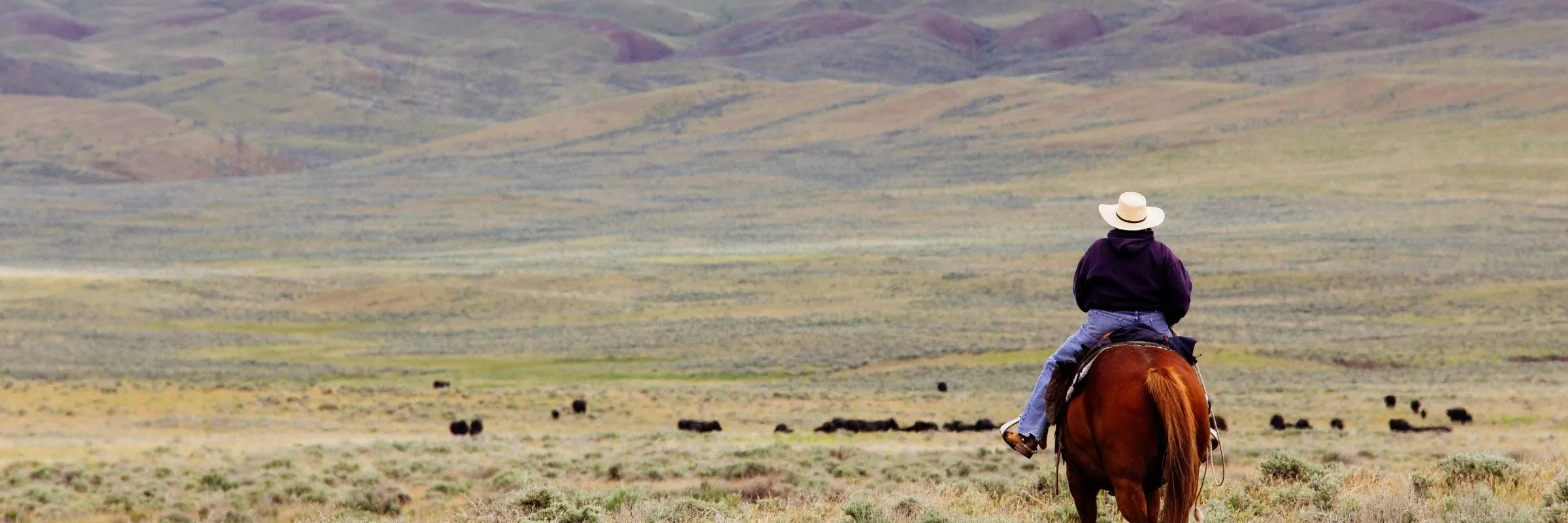
Farming and ranching are deeply rooted ways of life often tied to family heritage and community identity. However, the demands of this work can create intense, long-term stress that increases the risk of PTSD or CPTSD. In rural agricultural communities, common sources of stress include (4):
- Financial Uncertainty: Fluctuating commodity prices, trade disputes, and labor shortages can threaten the survival of multigenerational farms.
- Climate and Environmental Pressures: Natural disasters and unpredictable weather can devastate crops and livestock.
- Isolation and Workload: Long hours and limited social interaction can lead to loneliness and leave little room for rest or self-care.
Under these pressures, male farmers and ranchers have suicide rates 60% higher than other working-age men (4). Cultural values emphasizing toughness and self-reliance can make it harder to ask for help, and scarce mental health services in rural areas add to the problem (4). While this way of life can take its toll, targeted support can make a real difference for farmers, their families, and the broader agricultural community.
Treatment Strategies for Agricultural Workers
If you’re a rural agricultural worker coping with trauma or PTSD, these evidence-based approaches can help (3,4):
- Farm-Tailored Telehealth: Virtual counseling sessions designed for agricultural life, with audio-only options to work around limited internet connections. Beyond the Weather (a community-led movement normalizing mental health in ag) offers free counseling sessions in Wyoming and Montana for farmers, ranchers, and their immediate families in partnership with Frontier Psychiatry and The Align Team.
- Support Networks: Events and peer groups led by trained farmer advocates who understand the realities of rural work, offering problem-solving and a safe space to talk about trauma.
- Mental Health Screenings: Regular check-ins to catch issues early and connect you with care before symptoms worsen.
Addressing mental health in farming and ranching means honoring the values that keep your communities strong and working within those values rather than trying to change them. By using remote tools, reducing stigma, and building trusted networks of support, farmers and ranchers can break the silence around mental health, heal from occupational trauma, and preserve the legacies they’ve worked so hard to build.
PTSD in Military and Veterans
Rural states like Montana, Idaho, and Alaska have higher-than-average Veteran populations, with combat-related PTSD being common (6). The four core symptoms of PTSD in Veterans are (1,7):
- Re-experiencing
- Avoidance
- Negative Mood and Cognition
- Hyperarousal
Readjusting to civilian life after deployment can be tough when survival instincts from combat remain active. Deep guilt or shame over wartime actions can strain relationships and create emotional distance. Even everyday situations, like a crowded store, can trigger distress in a Veteran’s mind and body. These experiences highlight the need for support; however, the fear of appearing weak prevents many veterans from seeking help, making recovery more difficult (6).
Trauma Recovery for Rural Veterans is Possible
If you’re a Veteran experiencing symptoms of PTSD, there are accessible solutions tailored to your military experience. Therapies like eye movement desensitization and reprocessing (EMDR) and trauma-focused cognitive behavioral therapy (TF-CBT) can be life-changing, along with medication treatment plans from a licensed psychiatrist. Other effective methods include (1,6,7):
- Virtual Reality Exposure: Gradually confronting combat triggers in a safe, controlled setting through programs like VA Video Connect.
- Wilderness Reintegration: Rebuilding trust, teamwork, and a sense of purpose through guided outdoor activities like hunting and fishing trips with other veterans.
- Family Skills Training: Virtual sessions with mental health professionals help couples learn communication techniques, reduce avoidance behaviors, and rebuild connection.
Trauma recovery for rural Veterans is possible, now more than ever. With services designed around military experience and adapted to rural life, Veterans can process trauma, reconnect with others, and find purpose beyond service.
Indigenous Trauma and PTSD
Indigenous communities carry a collective psychological legacy shaped by centuries of colonization, which includes land dispossession, forced assimilation through boarding schools, and the suppression of language and culture. This shared intergenerational experience, known as historical trauma, disrupts family dynamics, reduces language fluency, and severs ancestral connections (9). As a result of this and other factors, indigenous people experience higher rates of PTSD, depression, and suicide (9,10).
Adding to the challenge, many native communities in Alaska, specifically, are located in extremely remote areas, making access to specialized care complicated or even impossible without traveling by plane or boat.
Treatment Strategies for Indigenous Trauma
For remote Indigenous communities, culturally grounded healing methods and resources can support the restoration of connection and resilience, in addition to medication and therapy. Examples of Indigenous-centric holistic support include (9,10):
- Land-Based Healing: Activities like salmon fishing and berry gathering that strengthen cultural identity while reducing stress.
- Elder-Facilitated Ceremonies: Potlatches and other traditional gatherings that pass down ancestral stories, reaffirm identity, and help communities heal from historical trauma.
- Tribal Health Aides: Local community health workers who combine medical knowledge with cultural wisdom, often using telehealth to bridge vast distances.
By combining traditional practices with modern mental health care, Native Alaskans and other rural Indigenous communities can access holistic healing that honors their heritage. This approach strengthens individuals, families, and entire communities, creating lasting change for future generations.
Expanding Access to PTSD Care with Telehealth
For rural individuals living with PTSD, telehealth has emerged as a transformative solution. These programs use technology to overcome geographic isolation, provider shortages, and stigma that have traditionally limited rural access to specialized PTSD care. Key models include (3):
- Virtual Therapy: Real-time video or phone sessions connect patients with mental health specialists for therapy or medication management, bringing evidence-based care directly into homes or local clinics.
- Provider-to-Provider Consults: Rural primary care providers (PCPs) can consult remotely with psychiatric specialists via video or phone. This collaboration supports PCPs in managing PTSD patients locally with expert guidance, ensuring patients receive comprehensive care close to home. Frontier is honored to support Montana’s psychiatric access line for provider-to-provider consults, MTPAL.
- Enhanced Communication Tools: Patients and providers can securely exchange messages, health data, or recorded videos through online portals or apps. These tools enable check-ins, progress monitoring, and non-urgent communication between scheduled live sessions.
Overcoming Barriers to Trusted Care
Telehealth faces several challenges in rural areas, particularly regarding access to technology and digital literacy. For example, limited broadband infrastructure impacts 22.3% of rural residents, with 27.7% of those living on tribal lands (5). Additionally, patient comfort with technology is crucial; some individuals still feel uneasy using digital tools for healthcare due to concerns about quality and privacy (3).
Despite these obstacles, the expansion of telehealth during the COVID-19 pandemic highlighted its vital role in bridging gaps in care, resulting in lasting regulatory changes. Research shows that telehealth is just as effective as in-person care (3), and ongoing efforts to improve broadband infrastructure and integrate telehealth into local settings are making progress (5).As a result, telehealth is becoming a more trusted and accessible resource for mental healthcare in rural regions
Frontier Psychiatry: Effective PTSD Care for Rural Communities
The effects of PTSD and CPTSD can be profound, particularly in rural communities where geographic isolation, provider shortages, and stigma pose significant barriers to care. While the resilience of these communities is truly impressive, it is important to acknowledge that resilience alone is not enough for healing. At Frontier Psychiatry, we are committed to ensuring that residents of rural Montana, Idaho, and Alaska have access to the care they deserve to find lasting recovery.
Frontier Psychiatry provides compassionate, specialized therapy for PTSD and CPTSD through secure telehealth services. Our culturally-informed approach respects your unique identity and values while providing flexible, confidential support tailored to your needs.
If you are struggling with trauma, PTSD, or CPTSD and live in Idaho, Montana, or Alaska, please reach out to Frontier Psychiatry. You can schedule an appointment with our provider matching tool or call/text (406) 200-8471 to ask about a confidential telehealth consultation. Remember, healing is possible, and you can start today. We’re here to support you every step of the way.
Sources:
- U.S. Department of Veterans Affairs (2025, May 26). PTSD Basics. National Center for PTSD. https://www.ptsd.va.gov/understand/what/ptsd_basics.asp
- (2023, April 5). CPTSD (Complex PTSD). Cleveland Clinic. https://my.clevelandclinic.org/health/diseases/24881-cptsd-complex-ptsd
- Rural Health Information Hub (2025, July 9). Telehealth and Health Information Technology in Rural Healthcare. https://www.ruralhealthinfo.org/topics/telehealth-health-it
- Rural Health Information Hub (2025, July 17). Rural Response to Farmer Mental Health and Suicide Prevention. https://www.ruralhealthinfo.org/topics/farmer-mental-health
- Rural Health Information Hub (2025, July 17). Healthcare Access in Rural Communities. https://www.ruralhealthinfo.org/topics/healthcare-access
- Rural Health Information Hub (2023). Veteran Population, 2023. https://www.ruralhealthinfo.org/charts/97
- Chambliss, T., Hsu, J. L., & Chen, M. L. (2024). Post-traumatic Stress Disorder in Veterans: A Concept Analysis. PubMed Central, 14(6), 485. https://doi.org/10.3390/bs14060485
- US Department of Veterans Affairs (2025, May 26). How Common is PTSD in Veterans? PTSD: National Center for PTSD. https://www.ptsd.va.gov/understand/common/common_veterans.asp
- Ehlers, C. L., Yehuda, R., Gilder, D. A., Bernert, R., & Karriker-Jaffe, K. J. (2022). Trauma, historical trauma, PTSD and suicide in an American Indian community sample. Journal of psychiatric research, 156, 214–220. https://doi.org/10.1016/j.jpsychires.2022.10.012
- Warne, D., Baker, T., Burson, M., Kelliher, A., Buffalo, M., Baines, J., Whalen, J., Archambault, M., Jinnett, K., Mohan, S. V., & Fineday, R. J. (2025). Barriers and unmet needs related to healthcare for American Indian and Alaska Native communities: improving access to specialty care and clinical trials. Frontiers in health services, 5, 1469501. https://doi.org/10.3389/frhs.2025.1469501